HB 462 and HB 464 Bills Stalled in PA Senate Again

A Detailed Update on Pennsylvania’s Stalled Lookback Window Legislation

Survivors of childhood sexual abuse in Pennsylvania have been fighting for something important. Many other states already recognize its significance. A chance to seek justice regardless of how long it took them to come forward. The Senate has stalled HB 462 and HB 464 bills again, and no vote has been scheduled.

More than 20 states have changed their civil statutes of limitations (SOLs) in the last decade. Many have set up “lookback windows.” These allow sexual assault survivors to file civil lawsuits, even if their claims expired years ago. Others, like our home state of Maryland in 2023, have removed their civil statute of limitations altogether.

Pennsylvania has not.

The 2018 grand jury report revealed years of sexual abuse in the Catholic Church. Despite this, the Pennsylvania Senate has not passed reform for the statute of limitations (SOL). Survivors who were molested watched as the same bills passed the House. They stalled in the Senate, expired, and then started over again.

Today, that cycle continues.

As of November 2025, House Bills 462 (HB 462) and 464 (HB 464) remain stalled. They both passed the Pennsylvania House of Representatives in June 2025. Both bills are now stuck in a Senate Committee. There is no scheduled vote, no public timeline, and no sign of progress.

Here at The Yost Legal Group, we believe CSA survivors deserve transparency. There is no new progress on the law to share. We want to make sure that child rape survivors and their families stay informed and supported.

Our sexual assault lawyers are actively monitoring these bills. We will continue to do so without making promises lawmakers have not earned.

Survivors of childhood sexual abuse in Pennsylvania have until their 55th birthday under the current law to file a civil lawsuit against their abuser. The experienced sexual abuse attorneys at The Yost Legal Group will help you understand your rights.

As a survivor, it is important to seek the justice you deserve. Call for a free consultation today. We will answer any questions you have.

Updates on HB 462 and HB 464 bills on Statute of Limitations on child sexual abuse crimes

What the Two Pennsylvania Bills Would Do

House Bill 462: A Lookback Window Through Statutory Law

HB 462 would create a civil “lookback window.” This would allow survivors whose claims are currently blocked by the statute of limitations to file lawsuits. They could sue their abusers and the institutions that helped them. This is the same type of legislation survivors’ groups have championed for years.

When HB 462 passed the House, it did so with a vote of 122–80.

House Bill 464: Moving a Constitutional Amendment Toward a Future Ballot Vote

HB 464 passed with even wider support at 138 to 64. It would advance the process of placing a constitutional amendment before Pennsylvania voters. This option requires three additional legislative votes before any proposal could actually appear on a statewide ballot.

Both bills take different paths to reach the same goal. They aim to give survivors a fair chance to seek justice, no matter when they decide to come forward.

This distinction matters because one route, statutory change, can be accomplished quickly if lawmakers agree. It is also less ironclad as it is open to constitutional challenges. That is why it is important for lawmakers to amend the Constitution itself. That route, however, can take years.
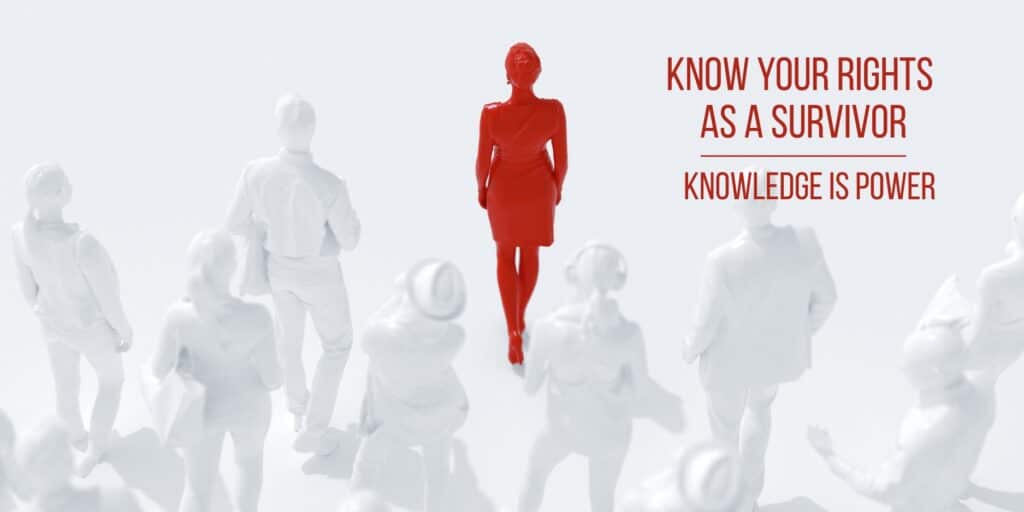
Pennsylvania sexual assault lawyer for adults who were molested as minors

Why These Bills Stalled: A Pattern of Inaction in the Pennsylvania Senate

This is not the first time these proposals have passed the House only to die in the Senate.

Over two years ago, the same combination passed with strong support from both parties. This included a statutory lookback window and a constitutional amendment. Still, the amendments did not make it to the ballot in 2023.

Today, we are watching history repeat itself. The Senate Judiciary Committee has not scheduled hearings or votes. There is no public commitment to debate. There is no timeline, and no indication that action is coming soon.

Meanwhile, Governor Josh Shapiro, who served as Attorney General during the 2018 grand jury investigation, has been publicly critical of the Senate’s repeated refusal to act. As he said recently:

It’s shameful … that the Senate of Pennsylvania has failed to act, has been unwilling to look these survivors in the eye and pass a statute of limitations window to allow those who’ve been abused to confront their abusers in a court of law.”

Survivors of sexual abuse deserve far better than political stalemates. That said, our child abuse lawyers will continue to monitor both bills.

If you are a victim of sexual abuse in Pennsylvania or Maryland, contact an experienced sexual assault attorney. The Yost Legal Group provides a free and confidential consultation. Call 1-800-967-8529 for guidance.

Why SOL Reform Matters: The 2018 Grand Jury Report Still Echoes Today

The push for SOL reform in Pennsylvania did not come out of nowhere. Its momentum grew directly from the 2018 statewide grand jury report. That exposed one of the largest institutional cover-ups of child sexual abuse in American history.

The grand jury found:

  • More than 1,000 children were abused by over 300 Catholic priests across six dioceses.
  • The “real number” was likely in the thousands, due to lost records and survivors who feared coming forward.
  • Senior church officials, including individuals who later rose to national leadership, covered up the abuse.
  • Police and prosecutors, at times, deferred to church leaders instead of investigating abuse.

The grand jury’s message was unflinching: “We are sick over all the crimes that will go unpunished and uncompensated.”

Because most of these cases were decades old, the criminal and civil statutes of limitations had expired. The church’s cover-up worked. Sexually exploited survivors could not sue. And the public outcry that followed led to the renewed push for SOL reform.

That movement continues to this day. The state needs its lawmakers to meet the moment.
survivors of childhood sexual abuse in Pennsylvania

Understanding Why Survivors Need More Time: The Reality of Delayed Disclosure

Some Pennsylvanians still argue that giving survivors until age 55 is “long enough.” But research shows this belief is deeply disconnected from the lived experience of surviving childhood sexual abuse.

According to Child USA, the national think tank for child protection:

  • The average age at which a survivor first reports childhood sexual abuse is 52 years old.
  • 51% of survivors first disclose between ages 50 and 69.
  • Nearly half of sexual victimization survivors need more time than Pennsylvania currently provides.

Trauma, shame, fear, grooming, institutional pressure, and decades of silence can delay disclosure for a lifetime. When survivors are finally ready to speak, the law should meet them with dignity. Instead, they have been met with a figurative locked courthouse door.

This is why lookback windows have been enacted across the country. This is why survivors continue advocating. And this is why Pennsylvania’s ongoing inaction remains deeply painful for so many families.

Where Things Stand Now and Why We Are Still Watching Closely

As of today:

  • HB 462 and HB 464 have passed the Pennsylvania House.
  • Both bills are now in a Senate Committee, stalled without action.
  • There is no vote scheduled.
  • The Senate leadership has not announced debate or hearings.
  • There is no certainty that the legislature will move forward.

We are watching. We are waiting. And we are prepared to do our job to help survivors the moment lawmakers do theirs.

Your Rights Today And How We Can Help

Under current Pennsylvania law, survivors of childhood sexual abuse may file civil lawsuits until age 55. That remains true today. If these laws change in the future, we will move immediately to help survivors understand their expanded rights.

But you do not need to wait for a lookback window to explore your legal options now. Our trauma-informed team is here to:

  • Listen to your story safely.
  • Explain your current legal rights.
  • Help you understand potential claims against institutions like the church, schools, hospitals, and government agencies that are supposed to protect children in their care.
  • Guide you through each step at your own pace.

Call The Yost Legal Group at 1-800-967-8529 for a free, confidential consultation with a compassionate survivor-advocacy attorney.

Our sexual abuse lawyers will explain the legal process. This is for cases involving sexual offenses that occurred when you were a minor.

Sexual Abuse Definition – Child Sexual Coercion Claims

Statutory Rape Claims – Lawyers For Sexual Abuse
Recognizing the Signs of Childhood Sexual Abuse

It is difficult to determine the prevalence of childhood sexual abuse because it is not often reported. Current statistics show that one in four girls and one in six boys are survivors of childhood sexual abuse.[1]

Maryland has defined childhood sexual abuse as an act that involves the sexual molestation or exploitation of a minor, whether physical injuries are sustained or not.

This includes incest, rape, sexual offenses in any degree, and any other sexual conduct that is a crime.[2]

Maryland has expanded the legal options for survivors of childhood sexual abuse. They did so by passing the Maryland Child Victims Act of 2023, which gives survivors the right to file lawsuits related to the abuse, no matter how long ago the abuse occurred.[3]

Recognizing the Signs of Childhood Sexual Abuse

When Children ‘Act Out’ or ‘Act In’: Understanding Behavioral Changes After Abuse

It can be challenging for survivors to come forward, and difficult for parents or guardians to recognize the signs of sexual abuse in girls and boys. Some children may begin to “act out” after their sexual abuse. This may include behavior problems, such as running away or cruelty towards others.

Some children may begin to “act in” after their sexual abuse. This may include becoming depressed and withdrawing from friends and family.

Some children may show signs of Post Traumatic Stress Disorder (PTSD), including agitated behavior, nightmares, and repetitive play. PTSD from sexual assault is very common in survivors.

Some children may also lose developmental skills and show regressive behavior. This can include bed-wetting and thumb-sucking.[4]

Without proper intervention, long-term symptoms may persist in adulthood. It is crucial for parents and guardians to offer non-judgmental support.

Breaking the Silence: Helping Children Heal After Sexual Abuse

The first step in offering a supportive healing process after childhood sexual abuse is to believe a survivor when they disclose that something happened to them. Not everyone processes trauma in the same way.

Some survivors may be calm when they disclose what happened to them, while some survivors may be highly emotional. Neither response is an indication of the severity of sexual abuse or how sexual abuse affected the survivor.

It is important for parents and guardians to support the survivor and not attempt to interpret the survivor’s emotional response when they disclose.

Saying things such as “I believe you” or “It took a lot of courage to tell me about this”[5] can show a survivor of childhood sexual assault that you are there to assist in their healing journey.

The Power of Reassurance_ Supporting Survivors Through Their Journey

The Power of Reassurance: Supporting Survivors Through Their Journey

Another important step is to assure the survivor that the sexual abuse was not their fault. Many survivors report feeling a surreal feeling after the sexual abuse. This can cause a survivor to feel separate or isolated from their peers.[6]

This isolation can cause a survivor to blame themselves, or fear that they may be in trouble if the sexual abuse is uncovered.

Parents and guardians can assure a survivor that they are not at fault by reminding the survivor that they did not do anything to deserve what happened to them.[7]

This may have to be reiterated multiple times, as the healing process is not linear.

Additionally, it is key to remind the survivor that they are not alone. This can be done by being there for them and reminding them that you are willing to listen to their story.

It is also helpful to introduce resources and service providers who may be able to help a survivor on a professional level.

This can include doctors, therapists, or social workers who are trained to assist survivors of childhood sexual abuse. Parents and guardians can also acknowledge that the experience has affected the life of the survivor. This communicates empathy and shows that you care about the survivor.

Supporting Survivors - Steps to Help Heal After Sexual Abuse

Supporting Survivors: Steps to Help Heal After Sexual Abuse

Lastly, it is important to remember that there is no timeline for healing. While going through the healing process, remember to avoid judgment.

Eliminate phrases or statements that might make the survivor feel as if they are behind on their healing journey, such as “you have been acting like this for a while” or “how much longer will you feel this way?”[8]

Parents and guardians can check in with the survivor periodically to remind them that they are not alone. Remember to know your resources. The healing journey is not one that is meant to be taken alone.

The Yost Legal Group: A Safe Place for Survivors Seeking Justice

At The Yost Legal Group, we know that coming forward about childhood sexual abuse is one of the bravest steps a survivor can take.

Our sexual abuse attorneys are dedicated to providing a safe, supportive space for survivors of institutional childhood sexual abuse across Maryland.

We listen with compassion, and we fight fiercely for justice on your behalf—holding abusers and the institutions that enabled them accountable.

Childhood sexual abuse can happen anywhere children should feel safe and protected. In Maryland, we have seen cases arise in a wide range of institutions, including:

–             Public and Private Schools: Abuse can occur in classrooms, locker rooms, or during extracurricular activities, often perpetrated by teachers, coaches, or staff.

–             After-School Programs and Youth Organizations: Trusted mentors or volunteers may take advantage of their positions to harm children in clubs, camps, or sports leagues.

–             Religious Schools and Programs: Faith-based settings, such as churches, synagogues, religious schools, or youth groups, can be manipulated by abusers who use authority and trust to silence victims.

–             Doctors’ Offices and Hospitals: Medical professionals are in positions of trust and authority, and unfortunately, some have exploited this to abuse children during exams or treatments.

–             Foster Care and Group Homes: Vulnerable children in foster care or group homes may be targeted by caregivers or older children in the system.

–             Other Community Institutions: Libraries, community centers, and even online educational platforms can be settings where abuse occurs.

Would You Like a Free and Confidential Consultation to Seek Justice?

If you or someone you love is a victim of sexual abuse in any of these settings, please know you are not alone. The Yost Legal Group is helping sexual assault victims understand their rights. And guide you through every step of the legal process.

We offer free, confidential consultations, and you can reach us anytime at (800)-YOST-LAW, (800)-967-8529, or by text at 1-410-659-6800.

We will file a sexual abuse claim against the institution that allowed the sexual trauma. Contact our sexual abuse lawyers for guidance.

Your voice matters. You deserve justice, and we are committed to helping you find it.

Let us be your advocates—together, we can hold abusers and negligent institutions accountable and help you move forward with strength and support.

Clergy Sexual Abuse – Sexual Assault Lawyers – Child Abuse Lawyer

Childhood sexual abuse Lawyer – Sexual Abuse Lawsuit – Statutory Rape


[1] Whealin, J., & Barnett, E. (2018, August 20). Va.gov: Veterans Affairs. Child Sexual Abuse. https://www.ptsd.va.gov/professional/treat/type/sexual_abuse_child.asp

[2] Md. Code Ann., Crim. Law § 3-602 (West)

[3] Maryland Child Victims Act: Removing time limitations. Maryland Child Victims Act: Removing Time Limitations. (2025, June 22). https://www.peoples-law.org/maryland-child-victims-act-removing-time-limitations

[4] Whealin, J., & Barnett, E. (2018, August 20). Va.gov: Veterans Affairs. Child Sexual Abuse. https://www.ptsd.va.gov/professional/treat/type/sexual_abuse_child.asp

[5] Tips for Talking with Survivors of Sexual Assault. RAINN. (n.d.). https://rainn.org/articles/tips-talking-survivors-sexual-assault

[6] Common Victim Behaviors of Survivors of Sexual Abuse. Pennsylvania Coalition to Advance Respect. (n.d.). https://pcar.org/blog/common-victim-behaviors-survivors-sexual-abuse

[7] Tips for Talking with Survivors of Sexual Assault. RAINN. (n.d.). https://rainn.org/articles/tips-talking-survivors-sexual-assault

[8] Tips for Talking with Survivors of Sexual Assault. RAINN. (n.d.). https://rainn.org/articles/tips-talking-survivors-sexual-assault